The transition to low-carbon steel is a cornerstone of Europe’s strategy to meet its climate goals. Steelmaking is one of the most energy-intensive industries in the world, and traditional blast furnace methods are responsible for significant greenhouse gas emissions. Decarbonizing this sector is therefore not only an environmental imperative but also an economic and strategic one.
A central driver of this transformation is the circular economy. By prioritizing the reuse and recycling of existing resources, the circular economy reduces the pressure on natural raw materials and helps cut down the carbon footprint of manufacturing.
Moreover, solutions based on recycling avoid the energy cost of smelting ores into metal, which directly translates into large energy savings. For steel, this means maximizing the use of scrap, which is both abundant in Europe and underutilized, while simultaneously reducing the continent’s dependence on imported critical raw materials, such as iron ore and coking coal.
The CiSMA Project: A New Path for Steelmaking
To accelerate this transition, the European project CiSMA, coordinated by the technology centre Eurecat, is leading the development of innovative processes to produce sheet steel entirely from scrap using Electric Arc Furnaces (EAF). Unlike the blast furnace route, which relies on coal and iron ore, EAF technology is powered by electricity and can integrate very high levels of recycled material.
The project’s ambition is clear: to prove that 100% recycled, EAF-based steel can be used in demanding sheet metal applications without compromising quality.
This approach will not only cut CO₂ emissions but also reinforce Europe’s industrial resilience by reducing reliance on external suppliers of raw materials. Industries such as automotive manufacturing and professional laundry equipment, which rely heavily on high-performance sheet steel, stand to benefit directly from these advances.
Meeting Industry Climate Targets
The steel industry in Europe has set ambitious climate objectives: a 50% reduction in CO₂ emissions by 2030 and carbon neutrality by 2050. These goals require deep changes in production technologies and supply chains.
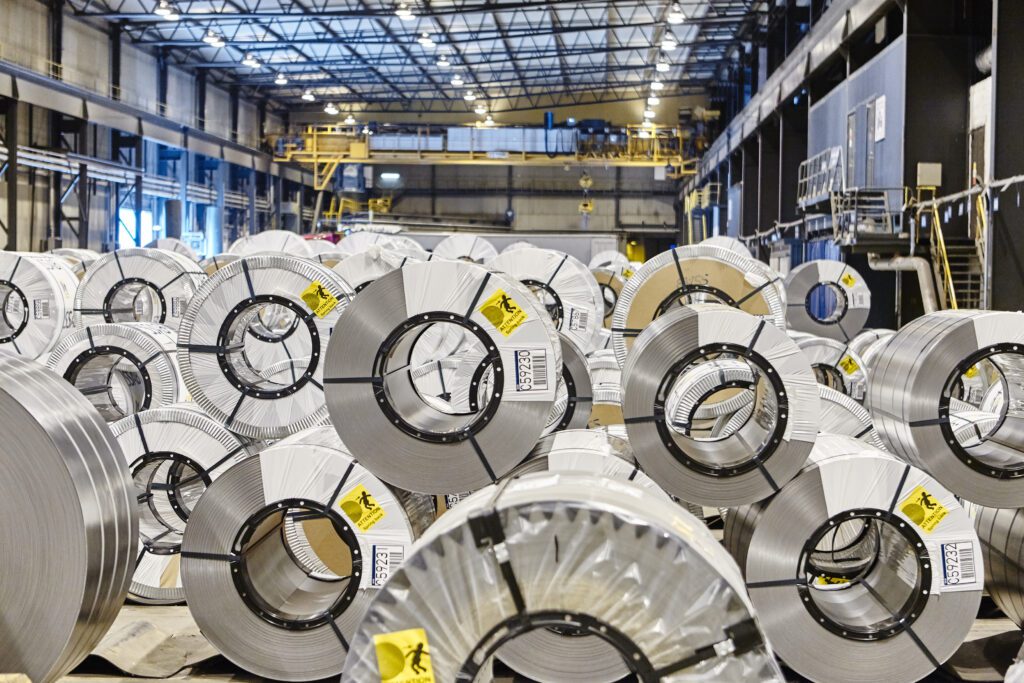
Sheet steel is the main steel format produced in Europe, and most of it, namely all high-performance products, is produced starting from iron ore using the Blast furnace-Basic Oxygen Furnace route. Adapting these products to the EAF will make it possible to produce high-performance sheet steel for mass-market products, with more than 75% reduction in emissions, and using up to 100% scrap loads
This shift would mark a turning point, transforming steel from one of Europe’s largest emitters into a flagship of industrial decarbonization.
Overcoming Scrap Quality Challenges
However, the road is not without challenges. One of the main obstacles in using scrap is its heterogeneity. Unlike primary raw materials, post-consumer scrap can include residues which contain trace elements such as copper or tin that, even in small amounts, can compromise the properties of finished steel.
These impurities, if left unmanaged, limit the potential of scrap-based production to meet the high-performance standards required in sectors like automotive or consumer goods. The project focuses on overcoming this challenge by developing new technologies to separate these unwanted inclusions.
In particular, CiSMA is working on methods to specially detect, remove, or neutralize copper. By addressing these technical hurdles, the project is building the foundation for a reliable supply of high-quality recycled steel.
From Research to Application: Towards Market Integration
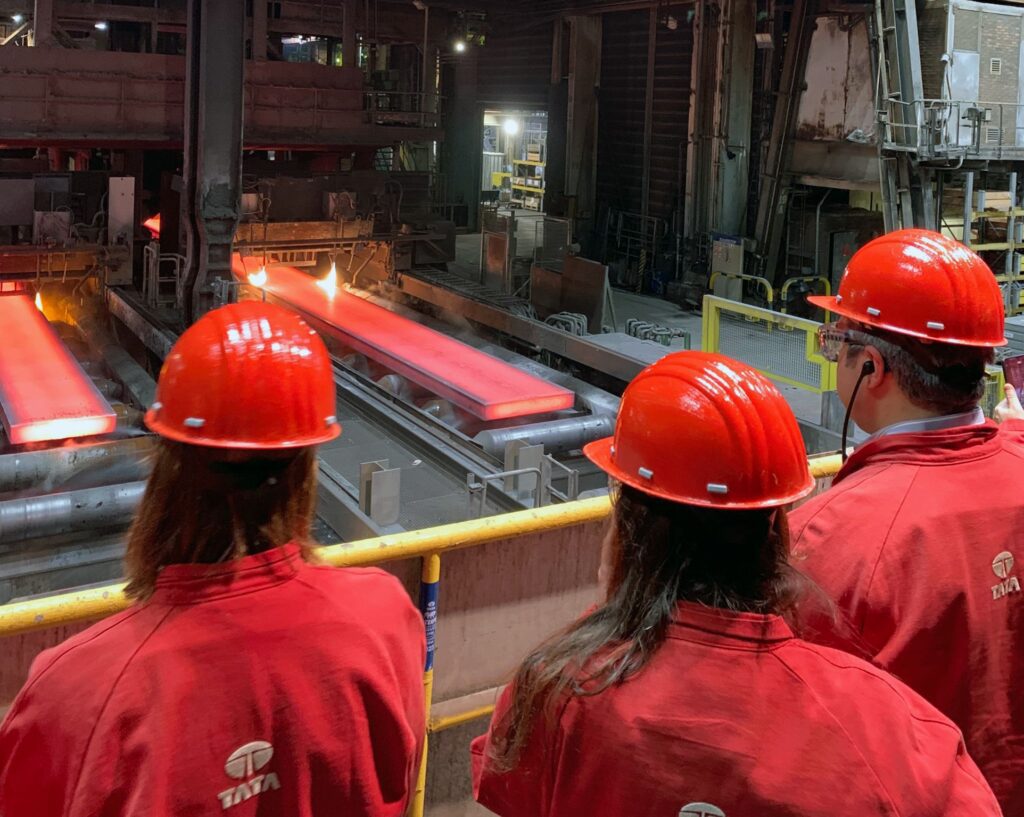
To validate its solutions, CiSMA will run two pilot tests: one with Volvo Cars, integrating recycled steel into vehicle components, and another with Electrolux Professional, applying the material to industrial washing machines. These pilots will confirm compliance with market standards, demonstrate the feasibility of the technologies, and quantify environmental benefits compared to conventional products.
Ultimately, CiSMA aims to pave the way for large-scale adoption of scrap-based, EAF-produced steels in consumer goods. The project seeks to develop technologies that enable the introduction of these sustainable steel products into mass-market sheet metal applications.
Author

Jaume Pujante
Dr. Jaume Pujante is a materials science and engineering expert with a PhD from Universitat Politècnica de Catalunya, where he also completed his engineering and master’s degrees. He joined Eurecat in 2010 and has since built an extensive research career focused on tribology and metal processing, contributing to numerous European and national projects, several as coordinator, and producing a strong record of publications and conference contributions. From 2020 to 2025, he has led leads the Advanced Forming Processes research line, overseeing work on material processing technologies such as heat treatment, thermo-mechanical processes, and powder metallurgy, while also expanding into additive manufacturing.